Let’s Talk About Lyme Disease

So, what is Lyme disease and why is it such a problem?

Lyme disease (LD) is an infection caused by the bacterial spirochete, Borrelia Burgdorferi. It was named for the infamous scientist that initially discovered it, William Burgdorferi.

One of the most important things to know about Lyme disease is that it’s common to have Lyme Disease and not know it. Another important thing to know is that it usually bring friends along, and you aren’t just dealing with Lyme disease, but also the possibility of Bartonella, Babesia, Rocky Mountain Spotted Fever, Ehrlichia, and other possible co-infections. These infections look like lots of other things, and testing is often inaccurate.

Most people think Lyme disease is easily diagnosed and treated when someone has a bullseye rash (Erythema Migrans) after a tick bite. This couldn’t be further from the truth, most people don’t remember a tick bite, and never see a rash. This allows the disease to go undetected and starts to cause problems in the multiple areas of the body.

Let’s dispel some myths before we get too far…

  1. The tick does not have to be attached to transmit Lyme Disease. So many people and medical providers think that a tick needs to be attached for a length of time to transmit disease. I’ve witness differently in my practice.
  2. Most traditional labs will falsely report negative Lyme Disease results. Typical laboratories will be unable to pick up the antibodies to accurately diagnose LD 60% of the time. This means the test is negative, but you actually DO have the disease.
  3. A simple course of antibiotics will rid the body of Lyme Disease. Many people think 10 or 21 days of doxy will do the trick, but that couldn’t be further from the truth.
  4. Doesn’t everyone get a “bull’s eye” rash, clinically known as Erythema migrans? NO, the majority of people do not remember getting a rash.
  5. Contrary to popular belief, most doctor’s don’t know much if anything about the severity and complexity of Lyme Disease and the co-infections that often accompany it.

Symptoms
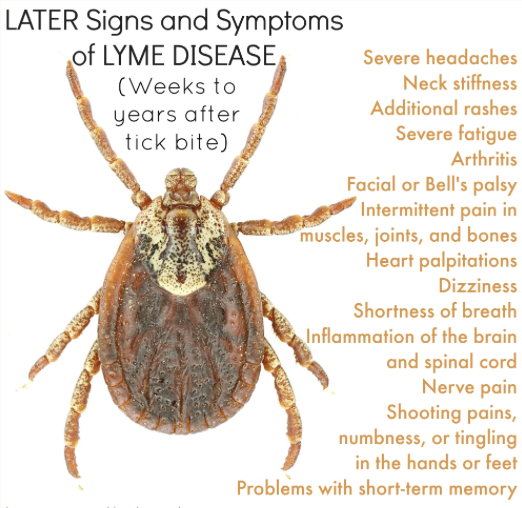
The symptoms show up differently in everyone, but there are common denominators. Lyme disease symptoms look different in kids than they do in adults. The symptoms are commonly mistaken as mental health issues and stomach problems. This combinations baffles most doctors and they blame the problems on the patient, usually telling them it’s stress and anxiety, or labeling them inaccurately with ADHD or abdominal migraines. This along with inaccurate testing means that many people with LD will be treated for other diseases without finding out the root cause is a tickborne infection. The longer LD goes untreated, the more damage it does to the body and the harder it is to treat. I often see many of the symptoms listed below that have been misdiagnosed as abdominal migraines, growing pains, irritable bowel disorder, ADHD, learning disorders, anxiety, depression, and multiple other issues that continue to progress and worsen.

Lyme disease in kids looks like…

  • severe fatigue
  • headaches/migraines
  • insomnia/sleep issues
  • trouble concentrating/focusing
  • inability to sustain attention
  • difficulty expressing thoughts
  • brain fog
  • difficulty reading and writing
  • easily overwhelmed
  • difficulty making decisions, can’t decide.
  • confusion
  • uncharacteristic behavior
  • outbursts and mood swings
  • fevers
  • joint pain
  • dizziness
  • noise and light sensitivity
  • “growing pains” that are ongoing
  • muscle weakness

Adults will also notice many of the above symptoms but chalk it up to stress or aging. Adults often have the joint pain (neck, hips, knees) that is well known. This has a lot to do with the organism migrating to cartilage and connective tissue. This is one the reasons LD is hard to treat, the organism “hides” in cartilage, and the antibiotics are not getting there. Interestingly, children usually do not complain of joint pain, but instead present with “growing pains” and ongoing headaches.

Let’s talk a little about testing.

Traditional testing through labs like Labcorp and Quest report false negative tests up to 60% of the time. This means many people with Lyme disease and co-infections will think they do not have the disease. The traditional labs are looking for antibodies that the immune system has made to combat the disease. Sadly, Lyme disease weakens immune function and the body doesn’t make the antibodies needed to fight off the illness. Using a lab that specializes in detection of Lyme Disease and other co-infections is often necessary for accurate diagnosis. Finding a medical provider that is familiar with these labs is an important part of proper diagnosis and treatment.

Treating Lyme Disease is tricky

Most medical providers are told that 10 days of antibiotics will get rid of Lyme disease. This is rarely true. The only cases I’ve seen eradicated by antibiotics were those that were treated immediately upon site of a bull’s-eye rash (erythema migrans) for a minimum of 2-3 months, usually using doxycycline. Those that I have seen treated for just 10-21 days usually have symptoms that show back up after the antibiotics are complete. This can be difficult with children, because the symptoms are often easily dismissed as everyday problems like stomach pain, headaches, picky eating, trouble focusing, being emotional, behavior issues, and on-going “growing pains”.

I can’t give you a specific protocol to treat Lyme disease because everyone is affected differently, it’s important to identify the specific needs of each patient, and then develop a plan. There are some guidelines to these plans. The first goal in treatment should be to decrease inflammation and balance the gut microbiome. Notice I didn’t say treat the organism. Often, when we treat first, we see worsening symptoms and that can increase inflammation and interfere with healing. It’s important to balance the gut and boost immune function so that treatment is most effective. Most providers that I work with prefer to use herbal therapies to treat the actual organism. Different herbal blends are going to be more effective for different organisms. I usually expect treatment to take 6-12 months, and usually depends on how long they’ve had the disease and how extreme the symptoms are.

Treating Lyme Disease and other tickborne infections is challenging. If your child or a child you know is suffering with any of the above symptoms, please look for the root cause. Be sure to find a medical provider that knows how to test for and appropriately treat Lyme Disease and co-infections. You will need to go outside of your traditional medical realm, and find a provider that practices Functional Medicine. You’re welcome to contact me if you’re in Maryland, Virginia, Delaware, Florida, Illinois, Nevada, or Oregon, I can help via telehealth. You’ll want to contact my team at Well Rooted Pediatrics to make an appointment. If you are outside of one of these states, check the provider directory from the Medical Academy of Pediatrics and Special Needs. If you are an adult suffering with symptoms, please consider contacting my friends in Annapolis, MD at Mid-Atlantic Health Institute.

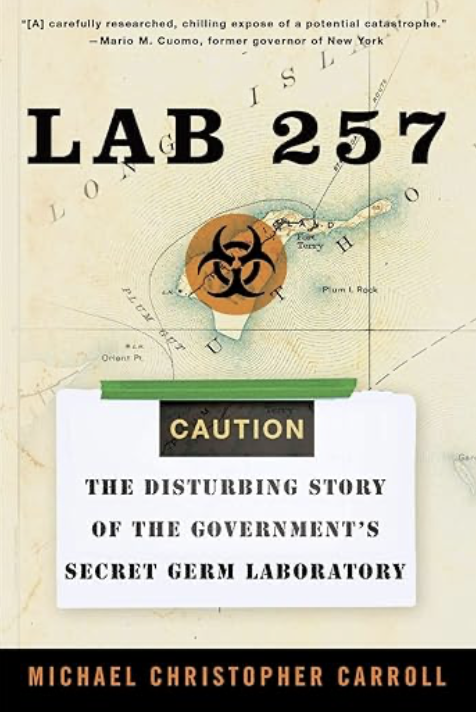
Lyme disease can be a debilitating and deadly disease. Don’t let it interfere with your child’s ability to live a fun and fulfilling life. If you want to learn more about Lyme Disease, I highly recommend the books, Lab 257, by Michael Carroll, and Bitten, by Kris Newby. I would also recommend watching the movie, The Quiet Epidemic on Amazon Prime, it’s worth the few dollars, I promise.

(*no affiliate links in this article)

Toxic Overload

Toxic. That’s a pretty strong word, with a lot of negativity attached to it, especially when we’re talking about health. It’s so important to think about toxins when thinking about health. “Toxic load” is exactly what we need to be focused on when we want to get to the root of chronic health symptoms.

Toxins are all those substances that make your body work harder. Toxins are things like chemicals, metals, infections, microorganisms… basically any foreign matter we inject or ingest. These foreign substances create an immune response, that immune response is ongoing, which makes for an immune system that is always working, on guard, and not functioning as well as it could be, and should be.

Where do these toxins come from?

Not to overwhelm, but they really are everywhere. They are the glyphosate (RoundUp) in your kid’s cereal. They are in your homes and schools, think about old water-damages building and mold. So many of the old buildings in the USA are water damaged. Think about the fumes you smell when you’re pumping your gas, or lighting a candle. Think about the scents in body care products like makeup, lotion, shampoos, and such. These toxins are right in our own backyard, think about ticks, mosquitos, and fleas that carry diseases like Lyme, Bartonella, Babesia, and such.

So, why should we care about toxic overload?

The more toxins we’re exposed to, the harder our body has to work to filter them out. Our filter organs, liver, kidneys, and lymphatic system help to eliminate these toxins. The problems arise when the amount of toxins we ask the body to filter outweigh the work the filtration system is capable of and the body isn’t able to eliminate toxins fast enough. The more toxins, the slower the filters work. When there are more toxins going in than coming out, that creates toxic overload.

What does toxic overload look like?

Health problems that don’t go away. When the body is suffering from chronic, ongoing health issues, it’s usually because the immune system is stressed from toxic overload. It looks different in everyone… in some people, it’s allergies or eczema, in others it’s asthma, migraines, or insulin resistance. It depends on the individual, their genetics, and the toxins they’ve been exposed to, some are much worse than others. Toxins like mold, Lyme disease and heavy metals leave neurological damage along with other systemic damage that is unresolved even after the toxins are eliminated.

I decided to write this because i need to share what I know. I keep telling people about toxic load, but I can’t talk to everyone that needs to know, so, I decided to write it down. It’s been quite a while since I wrote, and i guess it’s time to jump back in. A lot has happened in the past few years, and I haven’t written much about it, although I have A LOT to say. Maybe it’s time to get it all out, and maybe this is how I need to do it. If you have questions, feel free to leave them in the comments. If you have topics you’ve wondered about the past couple years, let me know and maybe I can address them, I’m always open to writing suggestions.

Until next time, which hopefully will be sooner than later, enjoy the journey. ✌️

Is Sunscreen A MUST??

Sweet Summertime

I try NOT to use sunscreen. Yup, I said it. If I can, I avoid sunscreen. Wanna know why? 

So often, we’re reminded that the sun is a cause of cancer. But, what isn’t talked about enough is the harmful ingredients in some sunscreens. We’ve learned in recent years that some ingredients in sunscreens are known carcinogens and are harming our health more than the actual sun. I also want to get Vitamin D, and recent research shows that early morning sunlight helps to boost vitamin D, which helps boost immune function. 

If you go out in the sun enough, you do need to wear sunscreen, and I do sometimes, but not always. It’s important to know when to wear sunscreen and what’s in the sunscreen.  It’s also important to have a bag full of tricks when you decide not to use sunscreen. I know not using sunscreen goes against EVERYTHING we’ve been told… but hear me out. I’m not saying never… just, not always. 

I work with the sun… I wear hats, I wear lightweight clothing, I wear sunglasses, and I change where I sit and if I face the sun depending on the time of day and the amount of time I’m going to be spending in the sun. I want to get a healthy amount of sun but I don’t want to get too much. 

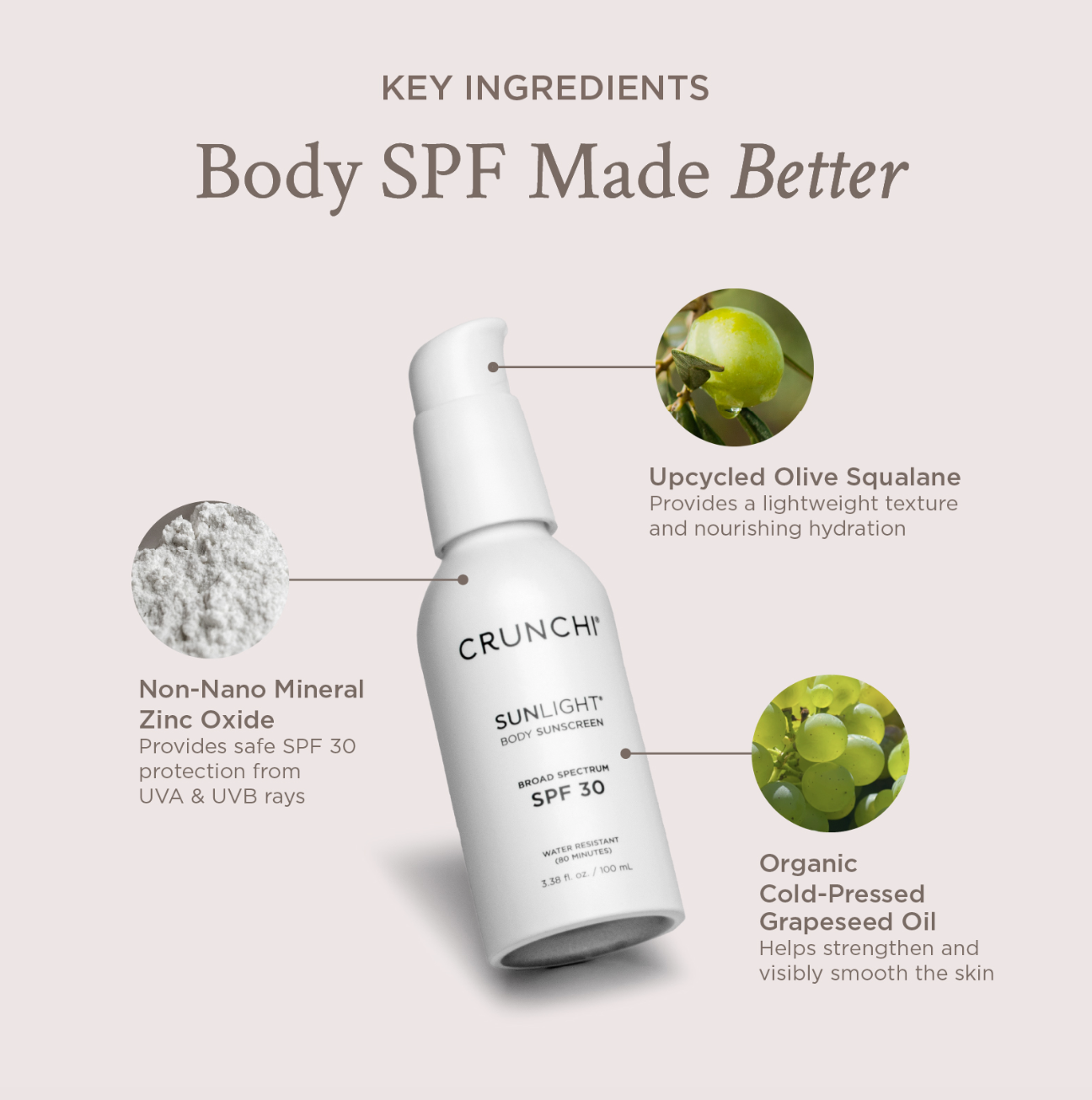
Screenshot 2024-03-19 at 4.26.19 PMWhen I do use sunscreen, I buy non-nano zinc based products. Remember the days of white noses at the beach when we were growing up? (Ah, the nostalgia.)  Well, you can get that same protection without the white nose, and NONE of the toxic carcinogens! I can’t tell you how easy it is to forget you have sunscreen on with this non-nano zinc based sunscreen from Crunchi. * It goes on as smooth as lotion, no tacky, white paste like other zinc based products. The ingredients in Sunlight Body SPF will actually help nourish your skin. You will be amazed at how much you love this sunscreen!! And, if you need something for everyday face protection, we have a facial SPF also!  


Why is non-nano Zinc Oxide such a good option for sun protection? 

Non-nano Zinc Oxide sits on top of the skin and reflects UVA and UVB rays. UVA rays are the aging rays of the sun. UVB rays are the ones that burn your skin. Zinc oxide protects against both UVA and UVB rays. Studies have reported that zinc oxide nanoparticles in sunscreen products can penetrate the skin, posing a risk of biological damage to humans and entering waterways, potentially harming marine life. 

Here are a few simple rules to follow when you spend time in the sun:

    • Apply and reapply sunscreen if you’re out in the sun all day. Crunchi’s Sunlight has 80 minutes of waterproof protection. 
    • USE A NON-TOXIC SUNSCREEN, non-nano Zinc based products are my fave. (see link above 😉 ) 
    • Put on a hat with a big brim.
    • Children under 6 months are not supposed to use sunscreen, so, keep them in the shade or use a full body swimsuit.
    • Avoid the sun between 10a-2p (this is when the sun is the strongest)
    • Cover up with clothing.
    • Keep in mind that young children put everything in their mouth, so don’t put sunscreen on their hands.
    • Remember that even under an umbrella at the beach or pool, the sun reflects off the sand and the water, you still need to apply and reapply.
    • If you take medication, make sure this doesn’t cause increased sensitivity to the sun. (i.e. tetracycline, retinol).
    • Stay hydrated!

So, with those little tidbits of information, I hope you find creative ways to get outside to enjoy the sun, and stay healthy. If you want help finding other toxin free skincare products, please email me at katiepinktolley@gmail.com. Helping friends decrease their toxic load is what I do best!! 😊

As always,  Enjoy the Journey, friends


*affiliate link. 

Podcasts

Click image to listen to this episode

Talk about stepping out of your comfort zone! But I did… Yay, me!! DO NOT, I repeat… DO NOT let anxiety and fear stop you from doing the things you know you’re meant to do!

DO ALL THE THINGS!!!

Recently, I was invited to join a new friend on some of her podcasts. I’m all about sharing health and wellness info, but hearing my voice on a podcast that can be heard all over the world… WHOA! Who am I?!? Exciting stuff!! I want to make sure you can find all my guest appearances in one place, so here ya go…

I first joined Alexa on The Alexa Z Show, Meditation Motivation in January. Alexa invited my colleague, Danielle McDevitt, MD, and I to discuss Integrative Medicine and What It Really Is. We talked about chronic inflammation, all the ways it can affect the body and lead to that infamous “fight or flight” response. We made sure to mention a few ways to change that “fight or flight” back to “rest and digest”. Important Stuff! We had a blast doing the first one, so decided to do a few more.

Our second episode is about ADHD and Anxiety in our Youth. If you’ve been following me for a while, you know this is a topic that is close to home for my family. Alexa and I dig into the topic of neuroinflammation, discuss neurotransmitter function, and how they each play a role in the disease process. We talk about some of the root causes of neuroinflammation, and how that inflammation can lead to other diseases. The most important part- we talk about how you can change things! Change your health, change your life. Change your life, change your health. Enter meditation and other integrative therapies. If you want to read more about neuroinflammation, I wrote Is it Really ADHD? to address that very topic.

One of the most important bits of info I can share with you is a quote from our recent podcast, “The genetics you’re born with do not dictate your health, the environment you put those genetics in will dictate your health… that’s a whole new field of science called epigenetics that’s developed over the last 20 years and it’s fascinating!” ~KPTolley

In our next episode, we plan to discuss Lyme Disease. Lyme Disease is pretty controversial nowadays. It’s characterized by widespread pain, overwhelming fatigue, and memory issues, along with a list of other problems that disturb almost every system in the body, especially the immune system and nervous system. We’ll discuss symptoms, disease process, diagnostic challenges, treatment challenges and how alternative therapies like meditation play such a big role in the recovery process. Be sure to tune in next month.

If you have any questions about medication or topics that you’d like to hear Alexa and I discuss, please reach out and let us know! If you want to learn more about meditating or you’re looking for a meditation coach, Alexa is your gal!

Be Well!! Kp

Detox Soup, Kp Style

The day after Christmas seems like a good time to share my latest, favorite recipe… My Detox Soup! I threw all this together about a month ago and it turned out SO YUMMY!

After taking the last jar out of the freezer and having a taste, I’m ready to make it again. I’m not good at following or creating recipes, but when I create something worth sharing, that’s what I do, and THIS is worth sharing!

The word detox gets thrown around a lot and for good reason. We are exposed to so many different substances on the daily, and our body has to filter all that stuff. By stuff, I mean foods and chemicals, but also pathogens like viruses and bacteria, medications, and alcohol. It’s not just what we eat, it’s also what we’re breathing in, and what we put on our skin. Think about the fumes when you’re pumping gas, or the various scents walking through a department store, those are chemicals (aka toxins) that we ingest and our body has to break all that down and get rid of it all somehow.

Detox is a pretty complex deal physiologically. It involves multiple body systems working together in harmony. The liver, kidneys, immune system, nervous system, digestive system and microbiome, cardiovascular system, methylation and sulfation pathways, and tens of thousands of enzymes function to make it all work like a fine-tuned instrument… but only when we fine-tune it. Hence, the need to detox!

It’s important to note, that any disturbance, dysfunction, genetic SNP (mutation), in any of the above systems slows down detox in various ways; some can be quite significant and lead to life-altering disease processes. That’s info for a later post, so let’s keep going… on to the food.

One way I help my body detox is by changing my nutritional intake to help my body filter all the toxic stuff. That’s why I created this detox soup. I chronic inflammation, gut imbalances, and genetic SNPs that slow down my detox pathways, making it that much more important for me to focus on detox. So I started reading recipes looking for a detox soup. I noticed a theme in most of those recipes using basic holistic nutrition knowledge I already had, and I thought, I can do this!! So I did! And, It’s so tasty, even my picky 17-year-old son loves it. #momwin

What are the essentials for a good Detox Soup?

  • Good quality bone broth – 1 large package (24oz), I’m partial to the frozen varieties, but also like some of the boxed brands. If you have some skills you can make your own. I do both. Brands I use: Kettle & Fire, Bonafide Provisions and The Flavor Chef. I use bone broth for the gut-healing properties.
  • Veggie or chicken broth, 1-2 24 oz. boxes, I usually use both, make sure you buy organic broth that doesn’t have extra fillers like soy, yeast, wheat, etc.
  • Fresh Organic herbs: 2-3 4″ sprigs each of oregano and thyme, 1-2 4″ of rosemary, 4-5 sprigs fresh parsley. You can add whatever your preferences are. I use the above for their anti-inflammatory and immune-boosting qualities.
  • Juice of 1 whole Lemon (excellent for detox)
  • 3-4 cloves Garlic (immune boosting)
  • ~1 tbsp fresh shaved Ginger (good for GI health)
  • 1-2 tsp Black pepper (good for GI health, immune-boosting)
  • 1 tbsp Himalayan salt (good source of minerals, hydrating)
  • 1 tsp Turmeric (anti-inflammatory)
  • 3 Bay Leaves (immune-boosting, anti-inflammatory)
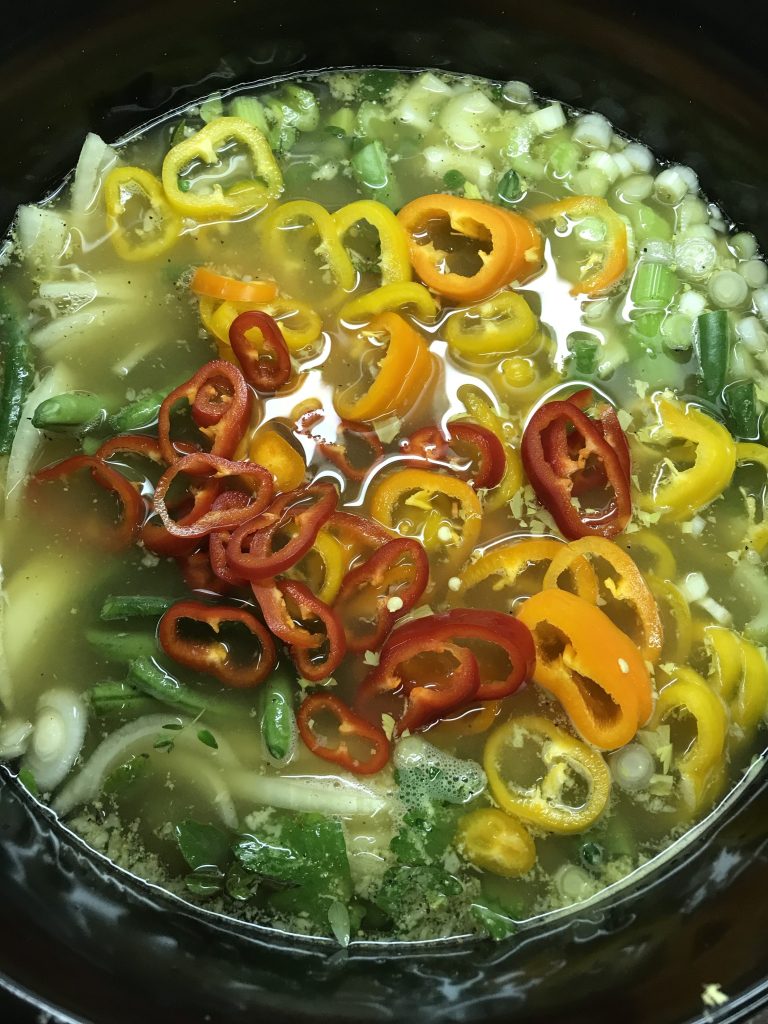
  • Fresh (not frozen) chopped veggies: 2-3 onions, 1 bunch of spring onions, 1stalk of celery, 1 lb. carrots, 6-7 mini sweet peppers (add some of the seeds!), green beans, 5-6 large leaves kale (I like the purplish kale), 1 pack fresh sprouted peas, 1/2 head cabbage, etc. Cruciferous, fibrous, and leafy green veggies are best for added vitamins and minerals as well as detox. **I do not recommend adding veggies w a high carb content (potatoes, corn, etc).

Note: all measurements are estimated, use what works for your taste buds.

I do think it’s important to use organic ingredients. Most of what I buy is organic, but sometimes I just can’t find organic. Sometimes I won’t buy the item (the Dirty Dozen), other times I just get over it and move on. We have to live and can’t be afraid of our food. One of the reasons it’s important to detox is exposure to chemicals. We are exposed to tens of thousands of chemicals on a daily basis, some we have no control over, so it’s important to decrease the chemicals that we are exposed to when given a choice.

Putting it All Together

Get started by adding the broths to a large soup pot turned to medium-high heat.

Add in fresh herbs, lemon, garlic, H. Salt, blk. pepper, ginger, turmeric. While I’m waiting for this to boil, I start the veggies.

Add chopped onions, carrots, celery, peppers, green beans. You want to add veggies that are going to take the longest to cook first, like onions, carrots, celery, green beans.

Once all of the above is combined and boiling, add leafy green veggies. If you’re a newbie to cooking leafy greens like me, here’s what you need to know: DO NOT cook the stems of the kale, rip off the leafy parts in 3″-ish size pieces and rub them together between your palms to soften them before putting them into the soup.

Note: I add filtered water as needed. I purposely avoid using tap water when I made this soup.

Turn to low-medium heat and cover for 20-25 min then simmer for as long as you like. I leave mine on the stove for hours, it smells so good!

There is no right or wrong here, play with it and find what you like. I’d love to know how your soup turns out! Send me a message and let me know what you put in it and how you made it just right for YOU! I can’t wait to hear!

My first try turned out pretty damn good!
Time to try it again!

More info to know: Additional Detox strategies

I’d be amiss if I didn’t share the other ways that I detox and recommend detox for my patients. Myself, my family and/or my patients benefit from these other forms of detox:

  • sweating, move your body, exercise, be active.
  • increase salt intake (Himilayan salt can help regulate BP, consult a medical provider for more information if you have high blood pressure.)
  • increase water intake (100 oz minimum!)
  • increase leafy green/cruciferous veggie intake (Goal to 8-10 servings!)
  • quality sleep (7-8 hrs for adults, more for children/teens)
  • infrared sauna
  • Epsom salt baths
  • Epsom salt foot bath
  • Herbs and Minerals that promote detox. (Always consult a professional for more info.)

Is It Really ADHD?

Is it really ADHD?

What is ADHD? Attention Deficit Hyperactivity Disorder, it’s a term tossed around all the time, but do we really know what it means?

According to the National Institute of Mental Health (NIMH), “Attention-deficit/hyperactivity disorder (ADHD) is a disorder marked by an ongoing pattern of inattention and/or hyperactivity-impulsivity that interferes with functioning or development.” (1)

They go on to describe Inattention as making careless mistakes, difficulty organizing, difficulty sustaining attention and holding conversations, inability to follow through on instructions, being forgetful, and easily distracted. These children are sometimes referred to as the dreamers.

Hyperactivity and Impulsivity are described as difficulty sitting still, excessive talking, interrupting others, inability to wait for one’s turn, and always on the go. These children are going full speed ahead when they are awake.

The confusing thing about ADHD is the ability of these children to hyper-focus. Parents are often confused by a child’s ability for sustained attention on a video game or an activity that they find enjoyable. This is typical of most people but seems exaggerated in those with ADHD symptoms. Because of this “hyper-focus”, many children have a difficult time transitioning.

Do any of these symptoms sound familiar? If you have a young child, they should. They are all part of human development and learning how to interact with the world around us. When these symptoms interfere with one’s ability to interact with daily activities and tasks it’s time to look deeper.

As a child grows from toddler to school age they learn to be more attentive, they model behaviors that they see in their environment. What we say has much less impact on our children than how we act.

All kids mature at different rates. Some kids are more active than others, perfectly acceptable; we should all embrace our uniqueness. What isn’t acceptable is when the symptoms of ADHD interfere with the ability to learn, enjoy social relationships and interfere with developing skills necessary for living day to day.  

If you recognize these symptoms in your child, does it mean he has ADHD?

If your child’s teacher reports some of these symptoms in your child, does that mean she has ADHD? No. It means your child’s brain needs support. It means there is deregulation in the nervous system, a neurochemical imbalance. It means that we need to figure out what is causing the symptoms.

Do we or don’t we medicate?

In the short term, medication might be the answer for some children. I will address medication and other treatment options in a future article. A treatment plan should be individualized to each child’s situation and include a thorough evaluation.

Long-term, medication can do more harm than good for most children. The answers aren’t black and white, there should not be one protocol for ADHD treatment. ADHD symptoms are telling us something, ADHD symptoms are the body’s way of telling us there is a level of Neuro-inflammation that needs to be addressed.

So, what’s Neuro-inflammation?

Neuro= brain, Inflammation = an immune response to an irritant (2)

“Inflammatory responses that are centralized within the brain and spinal cord are generally referred to as “neuroinflammatory”. Aspects of neuroinflammation vary within the context of disease, injury, infection or stress. The context, course, and duration of these inflammatory responses are all critical aspects in the understanding of these processes and their corresponding physiological, biochemical and behavioral consequences.” (3)

Neuroinflammation can be caused by a variety of irritants, germs, chemicals, toxins, etc. These irritants can cause lots of damage to the body if they go undetected. This is why it’s important to recognize symptoms of neuroinflammation and then look for the inflammatory agent.

Helping decrease symptoms is important. Looking for the cause of the symptoms help decrease the risk of further complications from an inflamed nervous system. Continued chronic inflammation will lead to further disease processes in the body. The ADHD symptoms are just the beginning of a chronic illness cascade for many people.

I’ve worked with a lot of kids with ADHD, and most of them are really great kids. They aren’t lazy, they aren’t stupid, they aren’t purposefully defiant… they are misunderstood.

Most of the kids I’ve worked with have tried multiple medications and still don’t have the relief of symptoms they were expecting. This makes treatment that much more difficult. Kids start to think something is wrong with them. If the medicine doesn’t work, it must be their fault. They want to do better, but their brain won’t do what they need it to do. They get depressed, they feel anxious, and a vicious cycle begins.

I think we are looking at ADHD all wrong… ADHD is not a definitive diagnosis that needs medication to help with focus and attention; ADHD is a group of symptoms telling us that the brain needs support because something is wrong. WHAT? That’s where the investigation begins.

How do we figure out the triggers?

There are ways to look at the inflammatory response the body is having, along with how that is affecting immune function and other bodily functions. There are ways to look for the pathogens and chemicals that may be causing problems. There are also ways to look at neurotransmitter levels to determine the need for medication while we figure all those things out.

Finding the root cause of ADHD symptoms for a child can be life-changing. Children with ADHD carry a heavy burden, they feel responsible, and they shouldn’t. It affects their self-esteem, their relationships, and their future. Helping them find a way to eliminate these symptoms so they don’t develop other chronic illnesses is not only life-changing, it can be life-saving.

Changing the future of mental health.

When we to start thinking of mental health as brain health and nervous system health we will start changing lives. We need to start looking at mental health diagnoses as brain illnesses that can be treated and even cured. Looking deeper to figure out what that root cause is will not only save lives, it could change the trajectory of our society. The mental health of our society has a direct impact on the safety of our society.

Does your family need help?
If you are concerned that someone you know and love has symptoms of brain dysfunction, consider finding a pediatric provider like me to help dig deeper.  

References

(1). https://www.nimh.nih.gov/health/topics/attention-deficit-hyperactivity-disorder-adhd/index.shtml

(2). https://www.ncbi.nlm.nih.gov/books/NBK279298/

(3). https://www.ncbi.nlm.nih.gov/pmc/articles/PMC5025335/

Homemade Southwest Chicken Soup

Ok, it’s taken me forever to finally sit down and write this, it’s because i don’t measure everything and throw it all together, but I’ve done this twice and it’s been great both times, so here it is.

Y’all know I’m not good at measurements, so everything is kinda approximate so feel free to adjust to your taste.

XRXU1G4dTd+TX+038jIZJwIngredients

  • 2 onions
  • 4 cloves garlic
  • 8-9 mini sweet peppers
  • 1/2 tsp turmeric
  • 1 tsp oregano
  • 1 box organic chicken broth
  • 1 jar/box organic chicken bone broth (I make mine or buy Kettle & Fire)
  • 1 box organic veggie broth
  •  4-5 tsp taco seasoning (made from Wellness Mama’s recipe)
  • 3 lbs chicken thighs
  • 1 can fire roasted diced tomatoes
  • 1 can/bag black beans
  • 1 bag frozen corn
  • 1 c sprouted rice
  • 2-3 sprigs cilantro
  • Himalayan salt
  • Black Pepper
  • coconut oil/ghee

As with most of my recipes, I started with 2 sauteed onions, I add 3-4 cloves of garlic. I also add turmeric and oregano. I usually start most of my meals this way. Onions and garlic are gut healing. Turmeric is anti-inflammatory and oregano is good for the immune system. I also add Himalayan salt and black pepper (the black pepper activates the turmeric).

While the onions start to cook down, I start the broth. I add chicken bone broth, chicken broth, vegetable broth, filtered water, fire roasted tomatoes, black beans, corn, cilantro, sweet peppers, squeeze in the lime, and add taco seasoning. Bring to a boil.

Once the onions have cooked down a bit, I add them to the broth. I leave a few onions in the pan to flavor the chicken while I’m grilling it (via stove top). My family prefers chicken thighs. I buy organic when I can, when I can’t I buy as natural as I can find. I prep the chicken thighs by sprinkling them with all of the above spices including the taco seasoning. I grill my chicken in coconut oil or ghee. Once the chicken is completely done, cut it up and add it to the soup.

Bring all of the above to a boil. Boil for approx 30 min. Add rice, cover and reduce to low/low-medium heat for approx 40 min or until rice is completely cooked. Stir occasionally so rice doesn’t stick to the bottom.

And the next time I make it, I’ll take a picture because I don’t have one to share. If you try my soup, I’d love to know how it turns out for you! If you read this and it doesn’t make sense, just let me know, I might have forgotten something, but I think I put it all in there for y’all.

Where I buy:

A lot of the ingredients above, like the sprouted rice,

I purchase online via Thrive Market. As a member of Thrive, I have saved thousands of dollars on groceries over the past few years. When you purchase a Thrive Market membership they donate a membership to a disadvantaged family, that’s awesome!


***Affiliate links in this post, thank you for supporting my family by using these links when you make your purchase.


Tasty Old Fashioned Gluten Free Goulash

So, y’all are drooling over goulash the Old Fashioned way but you’re gluten free? No worries. I have worked on this for about a year now, and I finally have the answer.

I know many of you are also dairy free and this recipe could easily be dairy free with just elimiatining or changing to a dairy free cheese. In my family, we’ve done enough healing to eat cheese again on occassion, and we buy good quality cheese. It’s hard to live without cheese, that’s why healing is important, now we don’t have to. I wasn’t living without pizza. There was a time that we did avoid cheese and gluten while we were healing, but that’s something we can tolerate in moderation now.

Most of what I cook doesn’t come from a recipe. I tried to cook that way in the past, but I always end up missing ingredients and having to improvise (not good for someone that doesn’t really cook, hehe) or I’d burn it and that just left us hungry or calling for carryout.

In recent years, I’ve started learning more about nutrition, holistic nutrition, not counting calories or grams of protein, but the effects of food on our body. I’ve learned food makes us well or food makes us sick. There is a lot of truth in the statement Let Food Be Thy Medicine (or thy toxin).

I used to eat anything I wanted, still kind of do, but that’s taken some healing and discipline. I don’t even want a lot of things that I used to eat. It’s true that our taste changes and we can learn to like different foods. Proud member of the Picky Eaters Club that is learning to eat veggies in my mid-40s! We can also develop aversions to foods when they make us feel bad. If something causes pain enough times you just stop doing it, right? That’s why I don’t eat a plate of spaghetti, or a cinnabon treat from the mall. The thought of either makes me want to double over in misery. Actually, just the smell in the mall takes me back to the days of constant stomach pain and burning. I’m so glad I don’t live like that anymore.

Pain is a powerful thing. I lived in pain most of my life because I didn’t realize what was causing it. When I learned I could control most of my pain with food, I started paying a little more attention to what I was eating. If you want to know more about my history, check out a few of my other blog posts. I’d be happy to help you learn how to heal your pain; it’s easier than you think.

Once healed, you can eat things like goulash, which is why you’re reading this in the first place, so let me see if I can share what I do for goulash…

Here’s what I use:

Measurements are estimated, I don’t measure, I just sprinkle it as I’m cooking. Please season for your taste.
  • 2 small/med sweet onions
  • 4 small sweet peppers
  • 2-3# grass fed beef
  • Large can of diced tomatoes (28 oz)
  • 2 cans of tomato sauce (15 oz)
  • 1 box Gluten Free Penne pasta
  • Cheddar cheese from pasture raised cows
  • Ghee/Butter from Pasture raised cows
  • Himalayan or Sea salt
  • Black Pepper
  • Turmeric
  • Oregano
  • Garlic
*We use all organic ingredients unless they aren’t available. Eating organic will make a difference in your health.

To get started, add approx. 2 tlbs of ghee to a 12” skillet and melt. Dice 2 sweet onions, and add to melted butter/ghee. Add additional ghee if the skillet gets too dry. As onions cook down, season w Himalayan salt or Sea salt, Black pepper, turmeric, oregano, and garlic powder. If you want measurements I’m going guess: 1/2 tsp salt/pepper, 1/4 turmeric, oregano and garlic. Stir occasionally until onions are half soft.

Move onions to outer area of skillet and add 2-3# grass fed beef. Repeat seasonings: Salt/Pepper/Turmeric/Oregano/Garlic. Cook beef, drain. Add in 4 small chopped sweet peppers (orange and yellow have such great flavor, but one red will spice it up a bit). I use the center of the skillet to cook the peppers until soft and then mix everything together and brown the beef a little longer.

Add 1 large can of diced tomatoes and 2 cans of tomato sauce. Stir everything together. Cook on med heat for 15-20 min, until tomato sauce is hot and starts to boil, then turn heat down to low.

In separate pot, boil water w H salt to cook penne pasta. Cook paste a few minutes less than cook time on the box. Drain. Add to skillet w meat/tomato sauce.

As all of the above comes to a boil, shred fresh cheddar over entire skillet and remove from heat. Let stand for 10 min. Serve.

I’d love to hear how yours turns out, so be sure to keep me posted!

i85w0vsUSKiEGPfSu%4rFA

I got a pic just in time. After this, it got quiet. #goodstuff

Adaptogenic Herbs: Mother Nature’s Secret Medicine

It wasn’t until a few years ago that I’d even heard the term “Adaptogenic Herbs” and when I did I still wasn’t quite sure what they were or what they did.

Adapt means to modify, change or restructure. Adaptgenic herbs have the amazing ability to modify, change and restructure our body at a cellular level.

According to Merriam-Webster, the definition of an adaptogen is “a nontoxic substance and especially a plant extract that is held to increase the body’s ability to resist the damaging effects of stress and promote or restore normal physiological functioning”.

So, let’s think about this a minute, there is a natural substance, actually multiple substances that will help the body combat stress. Our bodies are stressed by a plethera of environmental factors daily. So many health issues are stress related. Could this be an answer?

Over the past week, I’ve watched a video series on Herbal medicine. Did you know that Herbalism as a medical practice was outlawed in the United States over 100 years ago? This is downright sad, because it has started to erase the knowledge we need to have about natural forms of medical treatments, treatments that are successfully practiced in other parts of the world everyday.

So many ailments that are considered common health issues could be reveresed with the addition of adaptogens. Adaptogenic herbs can treat and prevent diseases like Depression, Anxiety, ADHD, Chronic Fatigue, Insomnia, Brain Fog, Demenitia problems, neurological disorders like MS and Parkinson’s and Alzheimer’s, cardiovascular disorders like high cholesterol and high blood pressure, digestive disorders, adrenal fatigue, thyroid imbalance, and the list goes on and on. If you name any chronic disease, adaptognic herbs will probably make it better. They get to the source of the problem.

Often times, we take pills for symptoms, but we forget that those symptoms are signs, they show up for a reason. Adaptognic herbs get to the source of the problem. Adding adaptogenic herbs to my nutrition plan has decrease the need for all the medications that I used to take for asthma, anxiety, irritable bowel syndrome, fibormalgia, allergies, migraines and more. It’s been an incredible transformation. I rarely even go to the pharmacy anymore.

Boosting my immune system and fighting the chronic inflammation and stress that my body is constantly battling with adaptogenic herbs and other holistic nutrition remedies has changed my health 100%. It’s hard to believe I’m the same sick person that cried and suffered with pain from IBS and Fibro and Migraines.

Let me share a list of things adaptogens can do:

  • increase endurance
  • increase libido
  • decrease stress (actually decrease cortisol levels!!)
  • boost immune function
  • decrease inflammation
  • provide allergy relief
  • decrease anxiety and elevate mood
  • regulate sleep
  • strengthen digestive system
  • strengthen cardivascular system
  • calm the nervous system
  • balance hormones
  • balances adrenal function

These adaptogenic herbs are plants and fungi; and with some the roots hold the magic elixir. These are herbs like Ashaganda, Astragalus, Holy Basil, Reishi, Miataki, Shiitake, Rhodiola, Maca, Chaga, Shishandra and Cordyceps, just to name a few. You’ve probably heard their names buzzing around, but weren’t really sure what was so great about them. Now you know!

Now you need to know how your get your hands on them, right?? Um, y’all… why do you think I keep talking about my superfoods? THIS! THESE! These amazing Adaptogens! All of the above are in Shakeology! All of the health issues listed above that people struggle with, that I’ve struggled with, are better now that I have the antiinflammatory effects of these amazing superfoods helping my body.

“THIS IS WHERE I GET MY ENERGY,” says the girl with the Chronic Fatigue Syndrome.

We all deal with stress, we can’t avoid it, that’s just how life is in the 21st century. If we want to live our healthiest, we need to actively do what we can to combat the enrionmental stress our bodies are exposed to each and every day. Counteracting that stress at the cellular level in our body is the secret to staying well.

And, let’s face it, we all know we can’t get those adaptogenic effects in the Standard American Diet no matter how well we eat, our food just doesn’t have the nutrition we need. We need immune boosting, antiinflammatory nutrition to be healthy. That’s why I add my adaptogens, along with some other superfoods.

IMG_5767

I can’t wait to help you learn more about getting healthy and feeling better!

If you need help navitaging your wellness journey, I’d be happy to help. I love helping people learn what they can do to take control of their health and the health of their family.  It’s empowering for them, and it fills my cup right up! If you want to work with me, just send me a message and we can chat up a plan for you! If you want to check out my website to place an order or start working with me, click here. I can’t wait to hear from you!

Feel free to contact me: FacebookInstagram – or Email me: katie@katiepinktolley.com


This slideshow requires JavaScript.

If you want to read a little more about some of the scientific stuff, like the info I found in this article, just click on the text: “..recent pharmacological studies of a number of adaptogens have provided a rationale for these effects also at the molecular level. It was discovered that the stress—protective activity of adaptogens was associated with regulation of homeostasis via several mechanisms of action, which was linked with the hypothalamic-pituitary-adrenal axis and the regulation of key mediators of stress response…”  (*info from US National Library of Medical National Institute of Health)

My (Kinda) Healthy Thanksgiving

Hehehe, do you like how I threw in “kinda”? We all have to live a little, right??

Our family does a pretty simple Thanksgiving, but I know some people have an all out smorgasbord. What side of the party does your family fall on?

My family does the traditional turkey thing. We started getting a free-range fresh turkey the past couple years and it’s pretty tasty too! This is the second year I am “brining” the turkey myself. I did a homemade concoction last year and found a great option that was a little simpler this year.

daDwFy3YST+7T3bc8YnEGg

This is the brine I used this year.

Lucky me, I only have to do the prep part, my mom does the cooking the bird part. At 46, I am still blessed enough to have my mom fixing most of the important holiday meals in my family.

I will be fixing some of the sides to help out though. I’ve finally taught my daughter to eat sweet potatoes, so I get to make more mashed sweet potatoes than I usually do. I’m still working on that picky 15-year old I have upstairs. I will be making regular mashed potatoes for him and my dad, well kinda regular. Don’t tell, but I will be substituting cow’s milk for cashew milk and LOTS of real butter. We love butter and eat lots of it, give me all the good fats to keep me healthy!

We try to avoid dairy (cow’s milk) and as much gluten as possible. Dairy and gluten are inflammatory and my family has major reactions to both. We don’t have the typical “allergic” reactions people think of, ours are more subtle. Stomach aches the next day, unexplained fatigue, constipation, brain fog, vague complaints that are easily overlooked, but we know more now; so, we make accommodations, it’s not as hard as you think.

We will have homemade sweet potatoes biscuits from our local farmer’s market and we will also have pie as well. My mom likes to make sweet potato pie. I am not really a pie person, so I bought apple cobbler, it still has some crumbs (yes, gluten) and such (sugar), but that’s ok. 😉

We will have peas (my dad LOVES frozen peas), and green beans for a real green veggie, and I think I’ll make brussel sprouts too, we love sprouts, but that’s a new thing. If you’re family doesn’t eat sprouts, try a little onion and bacon, they might just change their mind.

fq4ZbUbaQF6w2MRM5lWVYQ

Sprouts w bacon and onions, OH MY!

We don’t do anything extravagant, our family gatherings have dwindled in size as people grow and spread out. I have some of the best memories of Thanksgivings with all my cousins when we were growing up. Games of Trivial Pursuit, chasing each other on trikes and 4 wheelers, driving around the driveway before we were old enough to drive… good stuff.

We will have one dish that is a staple, and yes, we will go all out and splurge, and yes, we will probably pay for it… but we WILL have homemade dumplings like my great-grandmother used to make. We’ve subbed gluten-free flour before, and it’s just not the same. Sometimes, you just have to go for the real thing. We are fortunate that we can splurge, but if we do it too often, we really see health problems. We should avoid it, or those health problems will worsen, but it’s SO HARD to be completely gluten free and dairy free.

cranberry2

Dad’s ole faithful

A couple years in a row, I made some homemade cranberries, but nobody really cares, and my dad IS having his out of a can, (insert eye roll) but what’s it matter, it makes him happy. Now that I’m thinking about it, I’m kinda wishing I did get some fresh cranberries… hum… I think I still have time, so maybe I better cut this off here. 😉 

I’d love to know some of your family’s favorite dishes. It’s always fun to learn new things and other’s family traditions.

I hope you and your family have a happy and healthy day of thanksgiving and gratitude for the goodness in your life.

Be well & Enjoy the Journey!

Gobble, Gobble.