Toxic Overload

Toxic. That’s a pretty strong word, with a lot of negativity attached to it, especially when we’re talking about health. It’s so important to think about toxins when thinking about health. “Toxic load” is exactly what we need to be focused on when we want to get to the root of chronic health symptoms.

Toxins are all those substances that make your body work harder. Toxins are things like chemicals, metals, infections, microorganisms… basically any foreign matter we inject or ingest. These foreign substances create an immune response, that immune response is ongoing, which makes for an immune system that is always working, on guard, and not functioning as well as it could be, and should be.

Where do these toxins come from?

Not to overwhelm, but they really are everywhere. They are the glyphosate (RoundUp) in your kid’s cereal. They are in your homes and schools, think about old water-damages building and mold. So many of the old buildings in the USA are water damaged. Think about the fumes you smell when you’re pumping your gas, or lighting a candle. Think about the scents in body care products like makeup, lotion, shampoos, and such. These toxins are right in our own backyard, think about ticks, mosquitos, and fleas that carry diseases like Lyme, Bartonella, Babesia, and such.

So, why should we care about toxic overload?

The more toxins we’re exposed to, the harder our body has to work to filter them out. Our filter organs, liver, kidneys, and lymphatic system help to eliminate these toxins. The problems arise when the amount of toxins we ask the body to filter outweigh the work the filtration system is capable of and the body isn’t able to eliminate toxins fast enough. The more toxins, the slower the filters work. When there are more toxins going in than coming out, that creates toxic overload.

What does toxic overload look like?

Health problems that don’t go away. When the body is suffering from chronic, ongoing health issues, it’s usually because the immune system is stressed from toxic overload. It looks different in everyone… in some people, it’s allergies or eczema, in others it’s asthma, migraines, or insulin resistance. It depends on the individual, their genetics, and the toxins they’ve been exposed to, some are much worse than others. Toxins like mold, Lyme disease and heavy metals leave neurological damage along with other systemic damage that is unresolved even after the toxins are eliminated.

I decided to write this because i need to share what I know. I keep telling people about toxic load, but I can’t talk to everyone that needs to know, so, I decided to write it down. It’s been quite a while since I wrote, and i guess it’s time to jump back in. A lot has happened in the past few years, and I haven’t written much about it, although I have A LOT to say. Maybe it’s time to get it all out, and maybe this is how I need to do it. If you have questions, feel free to leave them in the comments. If you have topics you’ve wondered about the past couple years, let me know and maybe I can address them, I’m always open to writing suggestions.

Until next time, which hopefully will be sooner than later, enjoy the journey. ✌️

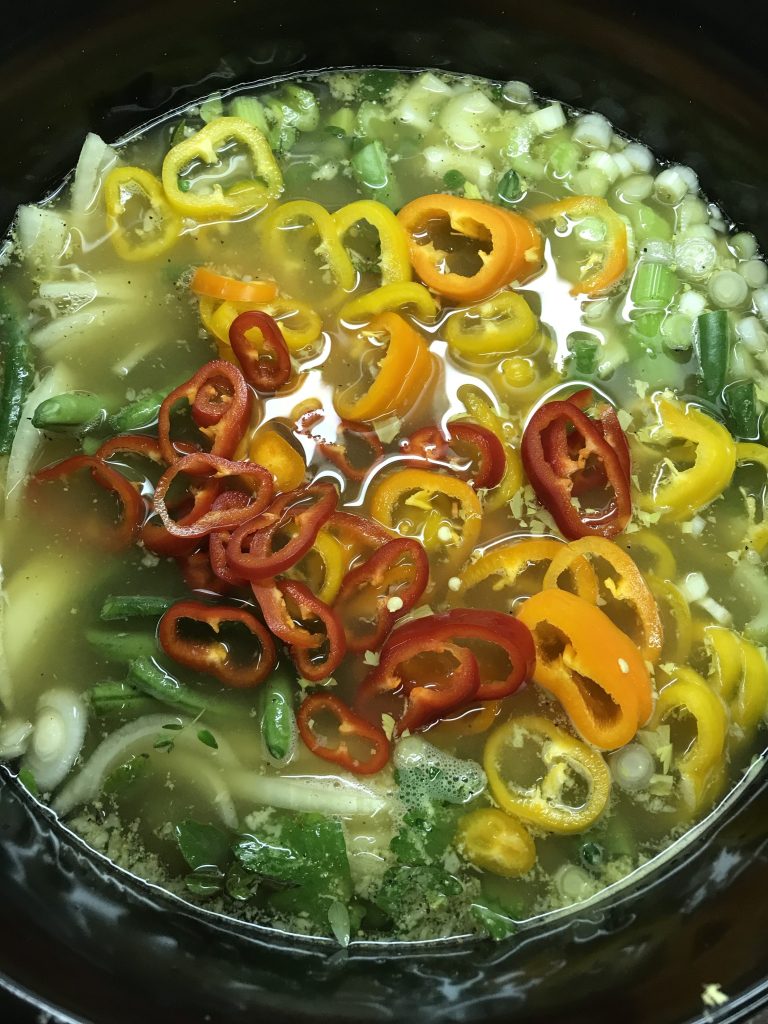
Detox Soup, Kp Style

The day after Christmas seems like a good time to share my latest, favorite recipe… My Detox Soup! I threw all this together about a month ago and it turned out SO YUMMY!

After taking the last jar out of the freezer and having a taste, I’m ready to make it again. I’m not good at following or creating recipes, but when I create something worth sharing, that’s what I do, and THIS is worth sharing!

The word detox gets thrown around a lot and for good reason. We are exposed to so many different substances on the daily, and our body has to filter all that stuff. By stuff, I mean foods and chemicals, but also pathogens like viruses and bacteria, medications, and alcohol. It’s not just what we eat, it’s also what we’re breathing in, and what we put on our skin. Think about the fumes when you’re pumping gas, or the various scents walking through a department store, those are chemicals (aka toxins) that we ingest and our body has to break all that down and get rid of it all somehow.

Detox is a pretty complex deal physiologically. It involves multiple body systems working together in harmony. The liver, kidneys, immune system, nervous system, digestive system and microbiome, cardiovascular system, methylation and sulfation pathways, and tens of thousands of enzymes function to make it all work like a fine-tuned instrument… but only when we fine-tune it. Hence, the need to detox!

It’s important to note, that any disturbance, dysfunction, genetic SNP (mutation), in any of the above systems slows down detox in various ways; some can be quite significant and lead to life-altering disease processes. That’s info for a later post, so let’s keep going… on to the food.

One way I help my body detox is by changing my nutritional intake to help my body filter all the toxic stuff. That’s why I created this detox soup. I chronic inflammation, gut imbalances, and genetic SNPs that slow down my detox pathways, making it that much more important for me to focus on detox. So I started reading recipes looking for a detox soup. I noticed a theme in most of those recipes using basic holistic nutrition knowledge I already had, and I thought, I can do this!! So I did! And, It’s so tasty, even my picky 17-year-old son loves it. #momwin

What are the essentials for a good Detox Soup?

  • Good quality bone broth – 1 large package (24oz), I’m partial to the frozen varieties, but also like some of the boxed brands. If you have some skills you can make your own. I do both. Brands I use: Kettle & Fire, Bonafide Provisions and The Flavor Chef. I use bone broth for the gut-healing properties.
  • Veggie or chicken broth, 1-2 24 oz. boxes, I usually use both, make sure you buy organic broth that doesn’t have extra fillers like soy, yeast, wheat, etc.
  • Fresh Organic herbs: 2-3 4″ sprigs each of oregano and thyme, 1-2 4″ of rosemary, 4-5 sprigs fresh parsley. You can add whatever your preferences are. I use the above for their anti-inflammatory and immune-boosting qualities.
  • Juice of 1 whole Lemon (excellent for detox)
  • 3-4 cloves Garlic (immune boosting)
  • ~1 tbsp fresh shaved Ginger (good for GI health)
  • 1-2 tsp Black pepper (good for GI health, immune-boosting)
  • 1 tbsp Himalayan salt (good source of minerals, hydrating)
  • 1 tsp Turmeric (anti-inflammatory)
  • 3 Bay Leaves (immune-boosting, anti-inflammatory)
  • Fresh (not frozen) chopped veggies: 2-3 onions, 1 bunch of spring onions, 1stalk of celery, 1 lb. carrots, 6-7 mini sweet peppers (add some of the seeds!), green beans, 5-6 large leaves kale (I like the purplish kale), 1 pack fresh sprouted peas, 1/2 head cabbage, etc. Cruciferous, fibrous, and leafy green veggies are best for added vitamins and minerals as well as detox. **I do not recommend adding veggies w a high carb content (potatoes, corn, etc).

Note: all measurements are estimated, use what works for your taste buds.

I do think it’s important to use organic ingredients. Most of what I buy is organic, but sometimes I just can’t find organic. Sometimes I won’t buy the item (the Dirty Dozen), other times I just get over it and move on. We have to live and can’t be afraid of our food. One of the reasons it’s important to detox is exposure to chemicals. We are exposed to tens of thousands of chemicals on a daily basis, some we have no control over, so it’s important to decrease the chemicals that we are exposed to when given a choice.

Putting it All Together

Get started by adding the broths to a large soup pot turned to medium-high heat.

Add in fresh herbs, lemon, garlic, H. Salt, blk. pepper, ginger, turmeric. While I’m waiting for this to boil, I start the veggies.

Add chopped onions, carrots, celery, peppers, green beans. You want to add veggies that are going to take the longest to cook first, like onions, carrots, celery, green beans.

Once all of the above is combined and boiling, add leafy green veggies. If you’re a newbie to cooking leafy greens like me, here’s what you need to know: DO NOT cook the stems of the kale, rip off the leafy parts in 3″-ish size pieces and rub them together between your palms to soften them before putting them into the soup.

Note: I add filtered water as needed. I purposely avoid using tap water when I made this soup.

Turn to low-medium heat and cover for 20-25 min then simmer for as long as you like. I leave mine on the stove for hours, it smells so good!

There is no right or wrong here, play with it and find what you like. I’d love to know how your soup turns out! Send me a message and let me know what you put in it and how you made it just right for YOU! I can’t wait to hear!

My first try turned out pretty damn good!
Time to try it again!

More info to know: Additional Detox strategies

I’d be amiss if I didn’t share the other ways that I detox and recommend detox for my patients. Myself, my family and/or my patients benefit from these other forms of detox:

  • sweating, move your body, exercise, be active.
  • increase salt intake (Himilayan salt can help regulate BP, consult a medical provider for more information if you have high blood pressure.)
  • increase water intake (100 oz minimum!)
  • increase leafy green/cruciferous veggie intake (Goal to 8-10 servings!)
  • quality sleep (7-8 hrs for adults, more for children/teens)
  • infrared sauna
  • Epsom salt baths
  • Epsom salt foot bath
  • Herbs and Minerals that promote detox. (Always consult a professional for more info.)

Digestive Health Lesson #2 – It all Starts with Inflammation

Dr. Tanya Edwards, director of the Center for Integrative Medicine (Cleveland), wrote that inflammation is now recognized as the underlying basis of a significant number of diseases.

Inflammation

Inflammation 101

Inflammation defined by the free online medical dictionary: 1. A localized protective response elicited by injury or destruction of tissues, which serves to destroy, dilute, or wall off both the injurious agent and the injured tissue.  2.The inflammatory response can be provoked by physical, chemical, and biologic agents, including mechanical trauma, exposure to excessive amounts of sunlight, x-rays and radioactive materials, corrosive chemicals, extremes of heat and cold, or by infectious agents such as bacteria, viruses, and other pathogenic microorganisms. Although these infectious agents can produce inflammation, infection and inflammation are not synonymous.

Dr. Edwards points out that anti-inflammatory foods have been used to combat Cancer and many other diseases, i.e.: Parkinson’s disease, Alzheimer’s Disease, many Autoimmune diseases, asthma. Here is the abstract from her article:  Continue reading

I’ll Tell You about Essential Oils if YOU tell ME what to do with this Rhubarb?

IMG_3739

Every post I write is in response to a question, situation, conversation, etc. This post has 2 conversations… 1. rhubarb. 2. Essential Oils.

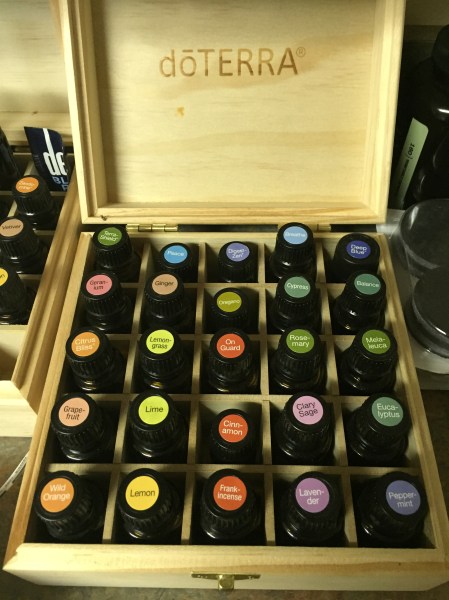
I need to know what to do with my rhubarb because I shared a little knowledge about essential oils. I had fun yesterday at Emily’s Produce chatting about Essential Oils. I knew I would write this post about what I do with my oils when I was preparing my handout. I have lots of friends that have asked about essential oils. Everyone wants to know more, and wants to know what to do with them. So, I hope those friends see this! 😉 Continue reading